How do Si, Fi, and Fe show up in Autistic folks?
11.26.2025
Mara told me from Practical Typing, who stated that she saw high Si and Fi when reading an article about a man describing his life as someone who has Autism Spectrum Disorder. I am going to psychoanalyze and expand on how and why Mara may see Si and Fi in Autism based on the knowledge I know and based on my own personal thoughts as someone who is officially diagnosed with Autism.
How does high Si show up in autism?
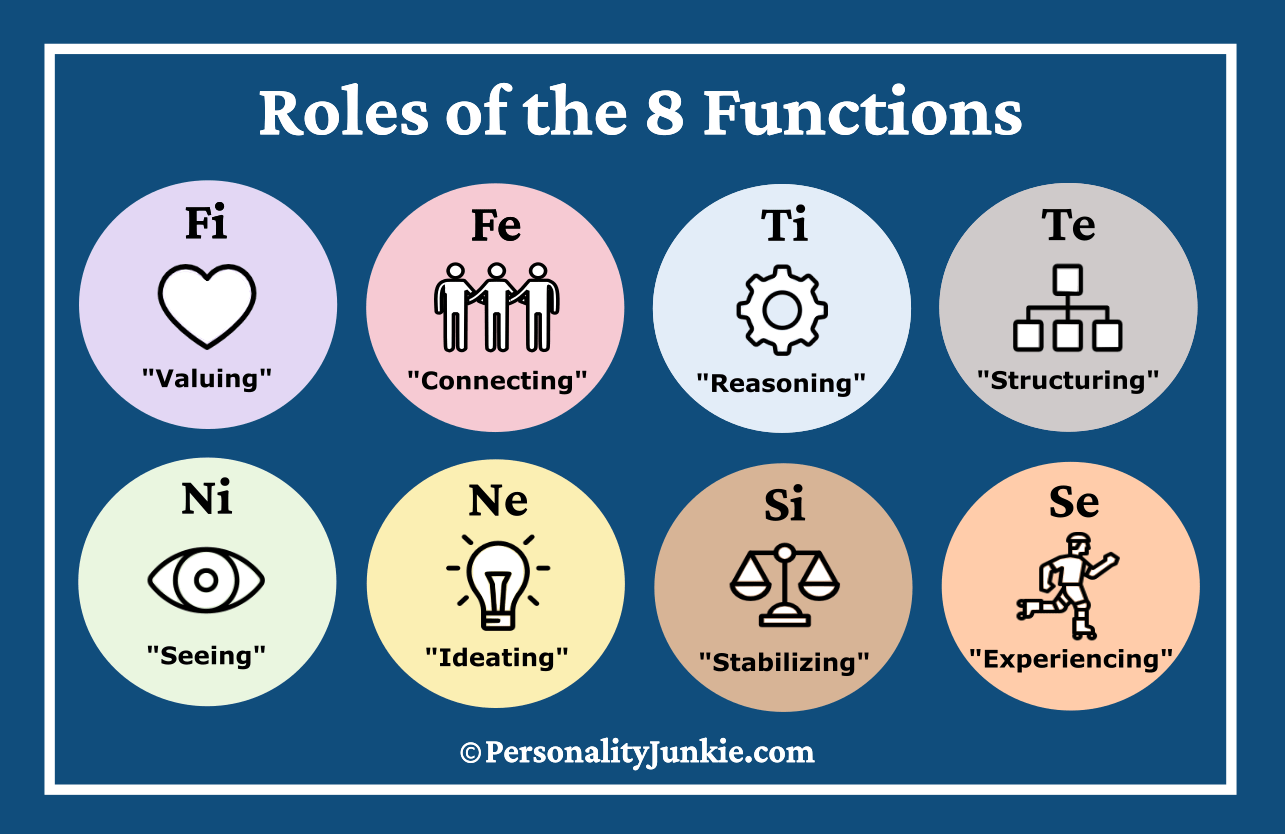
From what I gathered, the cognitive function Si may be enhanced or shown more obviously in autistic folks. From what I noticed, most autistic folks that I have met tend to have Si in their main four cognitive stacking. (This is speaking statistically, as some autistic folks do not have si in their cognitive stackings at all.) Many who tend to have AuDHD (which is common among autistic folks) are INFPs, from what I have noticed. The tertiary Si in INFP folks may make them a loopy individual at times. I used to question whether I was an ISFJ or an ESFJ for a good few years before I landed on ESFJ. The high Si was really obvious to everyone, including me. The Fe function was questionable for reasons I will get into later. I also tend to notice that autistics who may not be INFPs are their most common MBTI type, from what I have observed. Then they would be an ISTJ instead, due to high SI and FI being possible, just like an INFP could be a looper individual too. I met an ISTJ with ADHD who scored higher on Fi than on Te, indicating he was a looper ISTJ. Autistic folks tend to do things repetitively in practical experience and use practical experience from the past to make choices in the future, hence the high Si being relatively common in autistic folks.
How does high Fi show up in autistic folks?
Many autistics do not have the mindset where they can align with society’s values, as they commonly struggle to understand social norms. Therefore, many autistics may have high Fi. I have personally gathered information where autistics tend to have trouble expressing their feelings to others in a way that they are actually understood. Apparently, this is common in Fi doms, which would explain why high Fi in autistics are statistically common.
How does Fe show up in Autistics?
Fe can show up in autistic folks such as myself and another ESFJ autistic individual I know by having our own mindset of what our “Fe” values are, since Fe is described to be a function that makes choices based on other people’s feelings or a function where it externalizes feelings, as Fe means Feeling extroverted. How Fe is described can mean different things to different people, as stereotypes might say that Fe doms are the kindest folks ever, but they may also have a tendency to overstep your boundaries. How does Fe show up for me personally? Well, some autistics have an interest in talking to people (myself included) and can be extroverted cognitive function-wise. Just because MBTI stereotypically uses the difference of extrovert vs introvert doesn’t mean it’s the same as the cognitive functions’ extrovert vs introvert functions definition. My Fe looks like how “Fi empathy” is seen, where I personally think that everyone’s opinions and own personal values, even if it are different, are still important. This is an external feeling, hence I care a lot and externalize my emotions as a Fe dom. I tend to outlet my feelings as a Fe dom, which may look like the typical Autistic just rambling on and on. Rambling on and on about the same topic over and over again is also an autistic trait, which indicates high Si.