ISTP Compatibility Analysis
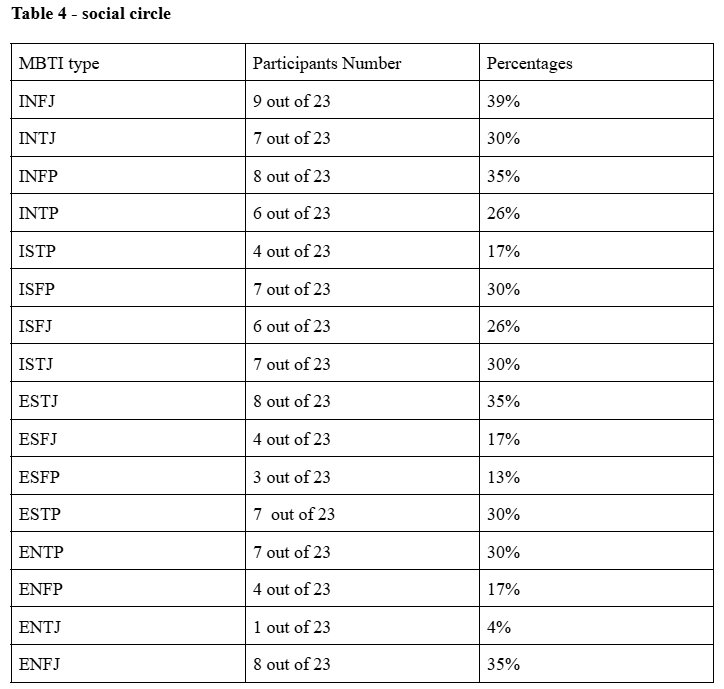
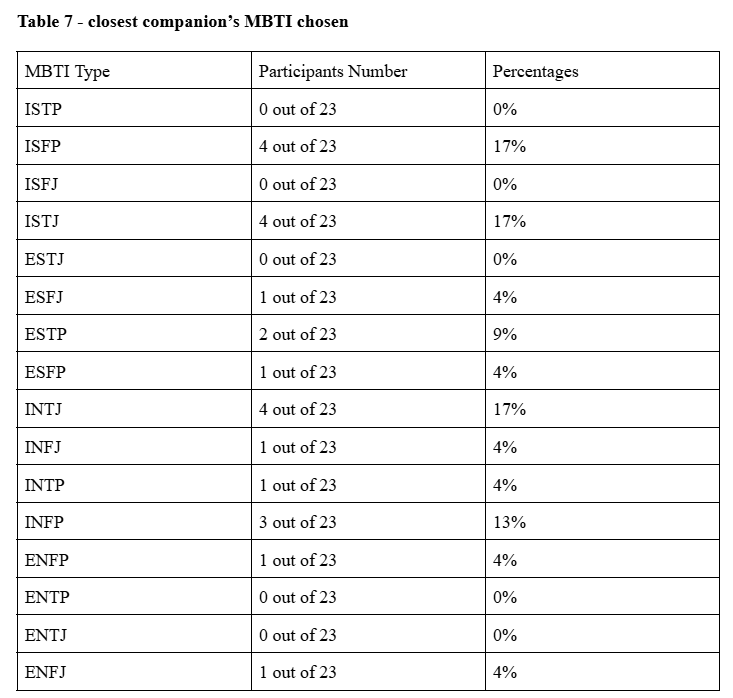
The majority of the ISTPs’ closest companions were ISFPs, ISTJs, and INTPs, who were all one letter away from ISTP’s type. They also thought that the metal pairing theory was neither inaccurate nor accurate, nor leaning towards being accurate. ISTPs' top choices, who are most compatible with them, include ISTPs, ESTPs, ISFPs, and INTPs.

ISTP's Thoughts on The Theory
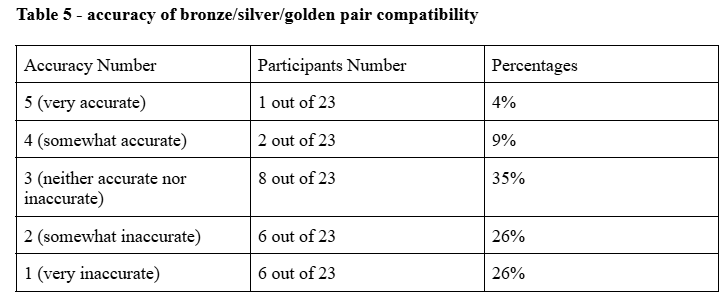
Of the 23 total ISTP participants in my survey, the majority disagreed with the accuracy of the compatibility theory, stating that more factors–like individual uniqueness, upbringing, and trauma–are needed to determine compatibility. Others, however, argued that the theory was accurate or that certain parts were applicable, like the golden pairing, while parts like the silver or bronze pairing were less accurate. Most also stated that since they lack experience with their supposed ideal matches, it was difficult for them to tell if it was good for them or not. The folks who saw the theory as accurate saw all pairings or only the golden one as having great chemistry with. One ISTP theoretically believes they would work well with STs the best, but has yet to meet any of them, and finds feelers to be frustrating at times. Other participants only find one pairing to be accurate, but not the other two. The individuals who think the theory is inaccurate believe that it just does not make sense.
Who do the ISTPs think they are compatible with?
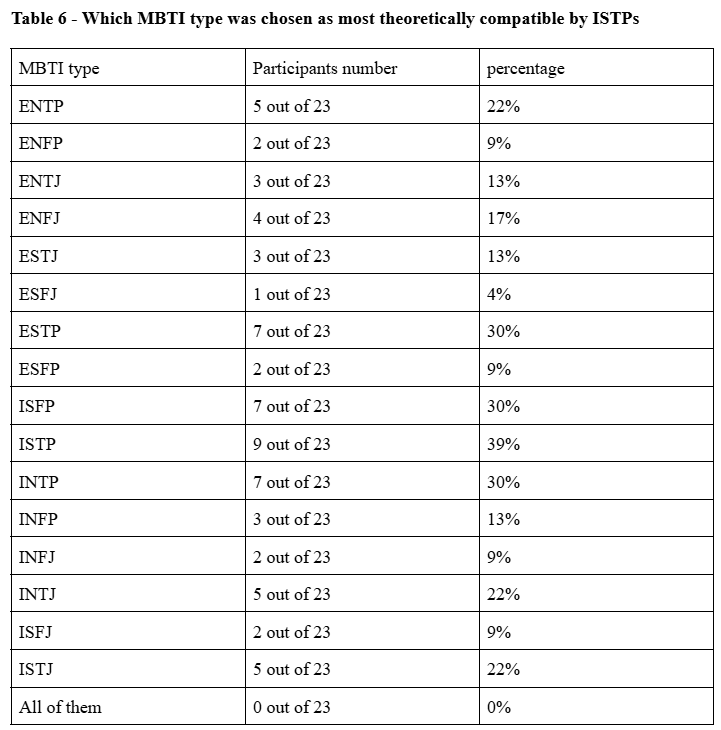
ISTPs have an interesting preference for thinkers, such as ISTPs, INTPs, ESTPs, or INTJs. Some are drawn to feelers like ISFPs, INFPs, ENFPs, or ENFJs, or any type with similar needs. Most participants chose their preferred types because they had experience with successful relationships/friendships involving them. Participants who chose ISTPs wanted someone who truly understood their way of thinking without having conflict. Some of these participants chose ESTP, ISTP, INTP, ESTJ, ISFP, and ENFP because they have a similar thinking style to them and can complement them well. Ti doms are also able to understand them well since ISTPs are Ti doms themselves. Some of these folks chose thinkers over feelers due to the fact that high feeling users could be overwhelmed with emotion, or they feel like can be their true selves around other thinkers. One participant chose ISTJ since they know what they want and can be organized. Another individual selected INTJ, INTP, and ISTP since they want someone who understands their need for alone time, prefers to stay home rather than go out, knows what they want to do, and knows what to converse about. ENTPs were picked as they are knowledgeable, fun, and spontaneous to be around. ENFJ and INFJ were selected since they share the same cognitive functions as ISTPs, which would help them grow, and they have a better understanding and familiarity with each other. Especially for ENFJs, as their dominant and inferior functions are switched, which leads to huge potential for growth.
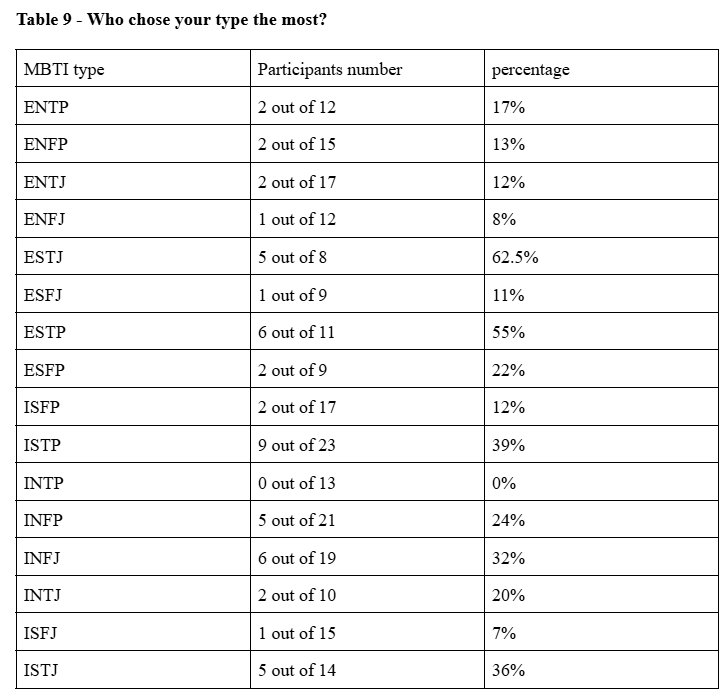
Who chose you, ISTPs?
Thoughts on Sensors vs Intuitives?
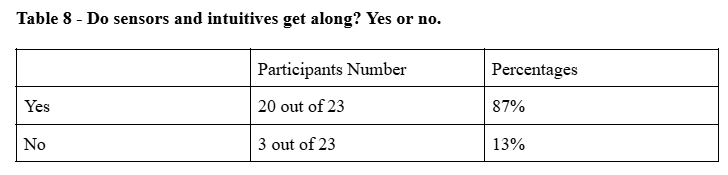
The majority of these contributors agreed that sensors and intutives could get along, while the minority disagreed. A lot of these participants believe that they can complement each other since we all have one sensor function and one intuitive function in our cognitive function stackings. High sensor users can help the high intuitives balance each other out, and vice versa. Both sensor and intuitive functions are needed to grow. Many of these ISTPs are very close to those who are intuitives and enjoy spending time with them. Some of these individuals don’t believe that the second letter of the MBTI matters as long as both parties are mature, have good communication skills, and are willing to learn from each other. The minority of the participants who believed that they wouldn’t get along reasoned that intutives seemed impractical or that they would get on each other’s nerves often, since they are different from each other. They would also struggle to understand one another, as one focuses on the present and the other focuses on the future.